
I know that title doesn’t send you to any clear destination. I intend to contrast it with being the victim.
I am not thinking of victimhood as requiring victimizers. I am perfectly capable, on a bad day, of feeling that I am the victim of historical circumstances, of demographic trends, or of medical routines. As well , of course, of the shortsightedness and misandry of the neighbors.
The common element of victimhood, as I have constructed it and as I occasionally feel it, is that bad things are happening to me and there is nothing I can do about it. And the experience of victimhood is enveloping. “Victim” ceases to be a role into which I am cast at the moment and becomes an identity. It is “who I am.”
I really don’t like that.
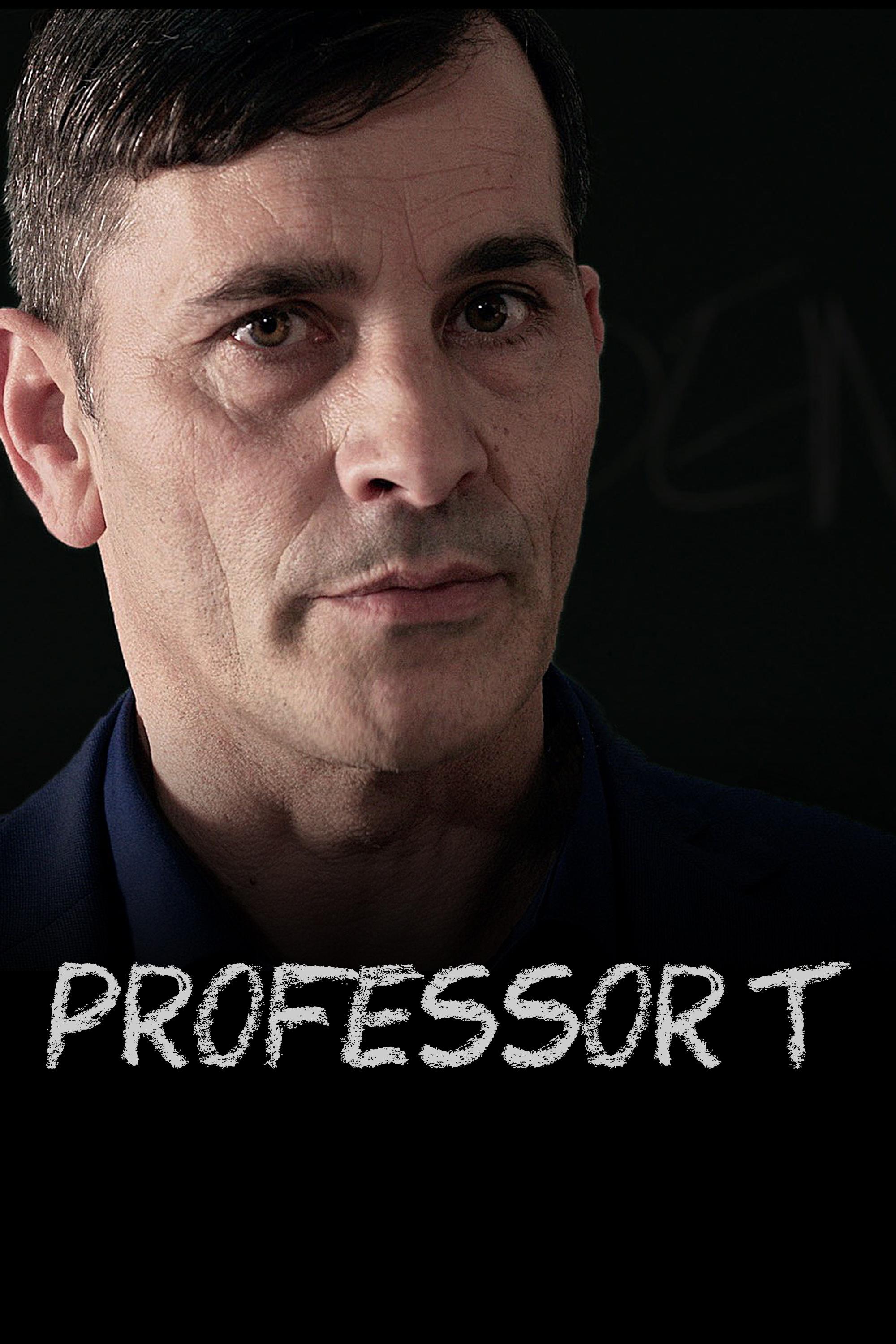
So it is not surprising that I reacted very strongly to an episode of the show, Professor T. [1] This is Season 1, Episode 1. Professor T is a really interesting kind of character and it is his character that drives the series. But this character is entirely irrelevant to the part he plays in this episode.
A young woman named Diana Thyson has been raped in a public restroom at the University of Antwerp in Belgium. She didn’t see her attacker, she says. He came up behind her with a knife; he was wearing a balaclava. Professor T sits down with Diana several days later and this happens.
“Shut your eyes, and we’ll go back to the evening it happened. But not as Diana Thyssen, you’d be going as someone else. Someone who sees Diana on her bicycle, in the city, in the dark. Can you see her?”
Diana says she can.
They show again the events, which we have already seen, but this time Diana Thyson, is not only the victim, but also the observer. She is standing by a wall at the end of the restroom and she sees Diana the Victim being seized and dragged into one of the stalls. Later, after it is all over, she sees Diana the Victim crawling out of the stall, weeping in complete distress. Diana the Observer watches her; she feel empathy for the girl, but she is not that girl. Not right now.
Professor T continues to question her and as the observer, Diana sees things that she had not seen when it was happening to her. The man has a tattoo on his hand, for instance. It is a tattoo common among men who have served prison time and this leads eventually to the arrest of the rapist.
What I like best about this episode is what I can see. I can see this happening to Diana the Victim, but she is not encompassed by those events because she is simultaneously, Diana the Observer. Under Professor T’s questioning, we can still see Diana, standing at the side, watching what is happening to the other girl.
It is very powerful visual representation of Diana refusing to become the role; she is never only the person to whom this horrible thing happened. She is also the onlooker, the collector of information; the empath who wishes things were better for that poor girl.
Somehow, seeing it helps. I have long been a fan of the Bene Gesserit litany, which has the same general purpose.
I must not fear.Fear is the mind-killer.Fear is the little-death that brings total obliteration.I will face my fear.I will permit it to pass over me and through me.And when it has gone past I will turn the inner eye to see its path.Where the fear has gone there will be nothing. Only I will remain.”
You can hear in “I will turn the inner eye to see its path” the distinction between between the person and the fear. You can hear in “Only I will remain.” the complete separation of this awful force, which has come and gone, and I, myself. It has gone. I am still here. I have watched it go.
As I say, I am a fan of the Litany Against Fear, but it is not something I can see and for some reason, watching Diana the Observer see Diana the Victim, and refusing to be that person, is more powerful to me.
[1] This is the 2015 version of the show starring Koen de Bouw, not the newer one.

 The Dilettante's Dilemma